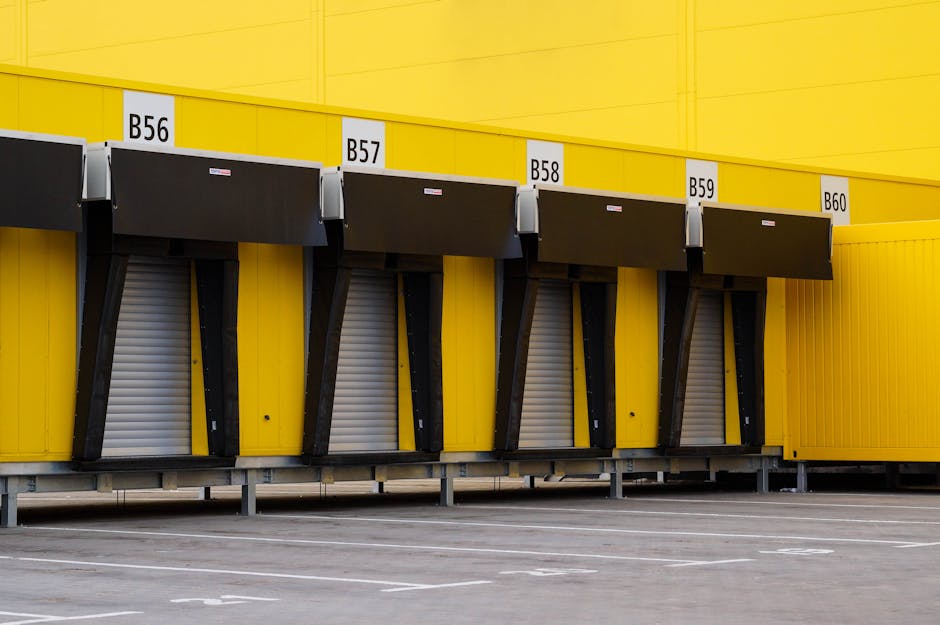
Southwark loading bay rules and fines for removals SE1: a practical guide for moving without costly mistakes
If you are moving in SE1, the loading bay can make the difference between a smooth removals day and a very expensive headache. Southwark loading bay rules and fines for removals SE1 affect where your van can stop, how long it can stay, and what happens if you overstay or park in the wrong place. That sounds simple enough, but in real life it often involves narrow streets, busy pavements, shared access, and a lot of pressure when the lift is already booked and the boxes are by the door.
This guide breaks the topic down in plain English. You will see how loading bays work, why fines happen, how to reduce the risk, and what a sensible moving plan looks like in SE1. I will also cover common mistakes we see all the time, plus a few practical ways to keep the day calm. Because let's face it, nobody wants to spend moving day circling the block while the clock keeps ticking.
Table of Contents
- Why Southwark loading bay rules and fines for removals SE1 matters
- How Southwark loading bay rules and fines for removals SE1 works
- Key benefits and practical advantages
- Who this is for and when it makes sense
- Step-by-step guidance
- Expert tips for better results
- Common mistakes to avoid
- Tools, resources and recommendations
- Law, compliance, standards, or best practice
- Options, methods, or comparison table
- Case study or real-world example
- Practical checklist
- Conclusion
- Frequently asked questions
Why Southwark loading bay rules and fines for removals SE1 Matters
SE1 is one of those parts of London where access can be the real challenge, not the lifting itself. Streets around London Bridge, Borough, Bankside and the wider Southwark area are busy, often tight, and not always forgiving for larger vehicles. A removals van that is even a little awkwardly placed can block traffic, annoy residents, and attract attention very quickly. That is where loading bay compliance matters.
For a home move, office move, or even a single large item such as a sofa or piano, the loading bay is often the nearest legal stopping point. If you get it wrong, you may face a penalty, extra delays, or the kind of moving-day stress that follows you around for weeks. In our experience, the fine is only part of the problem. The bigger cost is usually the knock-on effect: missed crew time, extra parking charges, and a move that runs long into the evening.
It is also worth remembering that loading bays are not the same as unrestricted parking. Some allow loading only. Some are time-limited. Some may need a permit or prior arrangement. Others may be shared with blue badge or pay-and-display use at different times of day. The details matter, and in SE1 they matter a lot.
Practical takeaway: if your removals day depends on stopping legally close to the property, treat the loading plan as seriously as the packing plan. One is no good without the other.
How Southwark loading bay rules and fines for removals SE1 Works
The basic idea is straightforward: a loading bay is a designated place where a vehicle can stop to load or unload goods for a limited period and under specific conditions. In Southwark, the exact rules depend on the bay location, signposting, time restrictions, and whether your activity genuinely counts as loading or unloading rather than ordinary parking.
For removals, the important point is that enforcement officers look at what is happening, not just what you intended. A van sitting in a loading bay with no visible moving activity may be treated differently from a van actively being loaded by a removals crew. If you are moving a flat on the third floor and the team is ferrying boxes out steadily, that is a much better position than leaving the vehicle unattended while you search for the kettle. Tiny details, but they count.
Fines can arise in several ways:
- stopping in a bay outside the permitted hours
- staying longer than allowed
- using the bay without meeting loading or unloading conditions
- blocking access, dropped kerbs, or other road users
- parking on yellow lines or in a restricted area near the bay
Some moving jobs are straightforward. Others need a little planning. If the property is awkward, the van is larger than expected, or the street is busy all day, you may need to combine the loading bay with other arrangements. That might include timing the move to a quieter slot, splitting the load, or choosing a smaller vehicle. A sensible plan can save far more than it costs.
If you are still planning the move itself, it can help to read about broader moving preparation in the house move planning guide and the Southwark permits and van parking guide. Those pages fit neatly with the loading bay problem because access is rarely a standalone issue.
Key Benefits and Practical Advantages
Sticking to the correct loading bay process does more than avoid a fine. It makes the whole job cleaner, faster, and less chaotic. That sounds obvious, but when you are standing outside a building with boxes, a mattress, a stairwell full of people and a van waiting around the corner, obvious things are easy to forget.
Here are the biggest benefits:
- Less risk of penalties: you reduce the chance of receiving a ticket or enforcement notice.
- Faster loading: a proper stopping point keeps the removals team focused on moving items, not circling the block.
- Lower stress: fewer last-minute decisions, fewer arguments, fewer frantic calls.
- Better safety: you are less likely to lift through awkward distances or rush items through traffic.
- More accurate scheduling: the job is easier to estimate when access is planned properly.
There is another upside people miss. Good loading-bay planning often improves the experience for neighbours and building managers too. Nobody enjoys a van double-parked with doors flung open and a trail of bubble wrap drifting across the pavement. A tidy operation creates a much better impression. Small thing, maybe, but it matters.
For moves involving heavier furniture, the right stopping point also reduces the amount of carrying you need to do. That can protect both the item and the people lifting it. If you want a deeper look at moving bulky pieces safely, the heavy-load lifting guide and the professional piano moving guide offer useful context.
Who This Is For and When It Makes Sense
This topic is for anyone arranging removals in SE1, but it is especially relevant if you are:
- moving house in a busy part of Southwark
- relocating a flat with limited street access
- moving office furniture, stock, or equipment
- handling a same-day or short-notice move
- moving large items that need the van positioned close to the entrance
- using a man and van service in a street with tight parking controls
It also makes sense if your move is simple on paper but messy in practice. Maybe the lift is tiny. Maybe the front door opens straight on to a busy pavement. Maybe your building manager is strict and you do not want a complaint before lunch. That kind of move is exactly where loading bay planning earns its keep.
If you are moving from a flat, the challenge can be even sharper because flats often mean multiple trips, stairwell delays, and fewer private parking options. In that case, the advice in the flat removals Southwark page can be handy, especially when you are balancing access, timing, and building rules.
Step-by-Step Guidance
Here is a practical way to think through Southwark loading bay rules and fines for removals SE1 before moving day. Keep it simple. No need to overcomplicate it.
- Check the exact location. Do not assume the nearest bay is usable for your vehicle or your loading window. Read the sign on site carefully.
- Identify the time restrictions. Some bays are limited by time of day, others by duration, and some change rules depending on the day of the week.
- Plan the van size. A smaller van can be easier to place legally and may reduce the pressure on loading time.
- Match crew arrival to access. If access is tight, the removals team should arrive when the bay is actually available and the property is ready.
- Prepare items before the van arrives. Boxes should be sealed, furniture should be dismantled where practical, and fragile pieces should be ready to go.
- Keep movement continuous. Loading bays are for loading. A brisk, steady rhythm is safer than long gaps.
- Monitor timing. Assign one person to keep an eye on the clock, especially if the stop is time-limited.
- Have a fallback plan. If the bay is occupied or access changes, know where the van can go next without wasting time.
A useful habit is to treat the loading bay as part of your move timetable, not a separate detail. When people split the planning into little boxes, that is when mistakes creep in. One box too many, and suddenly the van is waiting while you are still wrapping lamps.
If packing is still underway, the hassle-free packing guide and the package your items and wait for us to come service approach can help you align preparation with the actual loading slot.
Expert Tips for Better Results
After enough moves, a few patterns become obvious. The biggest wins usually come from small decisions made early, not dramatic fixes on the day.
- Build in a cushion. Even a 15-minute delay can be enough to turn a smooth loading bay plan into a scramble.
- Use one person as the access lead. Too many people giving instructions creates confusion. One voice works better.
- Keep the van paperwork and contact details ready. If you need to speak to building staff or the crew, you want that information close by.
- Remove waste early. Cardboard, broken packaging, and old clutter slow everyone down. Clear space means faster loading.
- Separate essentials from bulk items. A kettle, documents, keys, and chargers should not be buried under cushions and winter coats.
One slightly old-fashioned but still effective trick: walk the route from door to van before the movers arrive. Look for tight corners, low steps, mats that slide, and any doorway that sticks. You will spot at least one small thing. Usually two. That tiny walk-through can save a world of bother.
For awkward furniture or specialist items, use the right support rather than guessing. The furniture removals service is a better fit for heavier household pieces, while the man with van Southwark page suits smaller, more flexible moves where access planning still matters but the load is lighter.
Common Mistakes to Avoid
This is where fines and delays usually start. The mistakes are not always dramatic. Often they are small assumptions that turn out to be wrong. Very human, really.
- Assuming the bay is always available: a loading bay is still a controlled space, not a free-for-all.
- Ignoring the sign at the exact location: rules can differ from street to street.
- Leaving the van unattended for too long: if active loading stops, your position may become harder to justify.
- Overestimating how much will fit: this leads to extra trips and more time in the bay than planned.
- Not coordinating with the building: especially in flats and offices, access arrangements can affect everything.
- Forgetting traffic flow: if the vehicle ends up blocking a lane, the risk rises fast.
There is also a classic moving-day trap: packing is still going while the van is already outside. That one causes a mess. Boxes half-sealed, tape missing, someone looking for a passport, and the driver waiting in the cold. By 8.30 in the morning, the whole day can feel behind.
Decluttering in advance really helps. If you want to reduce volume before moving, the declutter before your next house move guide is a good companion read, and it works especially well for SE1 properties where storage space is tight.
Tools, Resources and Recommendations
You do not need a fancy toolkit to manage loading bay issues, but a few practical items help a great deal:
- Printed moving plan: useful for timing, access notes, and contact numbers.
- Phone with full battery: not glamorous, but essential if access changes suddenly.
- Tape, labels, and markers: clear labelling speeds up loading and unloading.
- Protective wrap and covers: better for items moved in and out through a busy doorway.
- Measuring tape: useful for checking whether items will pass through narrow entrances or fit in the van efficiently.
For items that need temporary holding before or after the move, storage can help you avoid rush decisions. The storage Southwark page is a useful option when timing and access do not line up neatly. For packing supplies, the packing and boxes Southwark page gives you a sensible starting point without turning the process into a science project.
And if you are trying to compare moving support options, the broader services overview can help you think about whether you need a full house move, a smaller van service, or something more flexible. Sometimes that decision alone shapes the whole loading bay plan.
Law, Compliance, Standards, or Best Practice
When people talk about parking or loading rules in Southwark, they usually mean local restrictions, traffic enforcement, and the practical conditions attached to stopping a van in a bay. The safest approach is to work from the on-street signage and any booking or permit arrangement that applies to the location, rather than relying on habit or memory. A sign is still the sign, even if the street looked quiet ten minutes ago.
From a best-practice point of view, the moving team should be able to show that the vehicle is there for genuine loading or unloading, that the work is active, and that the stop is no longer than necessary. If the move takes longer than expected, it is better to reassess quickly than to push your luck. A little discipline saves a lot of trouble.
For larger or more complex removals, consider the wider duty of care around safe lifting, vehicle safety, and access. You do not need to quote a stack of legal text to do this properly. Just keep the process organised, reduce avoidable hazards, and avoid taking shortcuts that create risk for pedestrians, drivers, or the removals crew.
For trust and operational transparency, it is also worth using a provider that has visible policies on matters like insurance, safety, and complaints handling. Those pages are not exciting, I know, but they tell you a lot about how a business behaves when something goes wrong.
- insurance and safety information
- health and safety policy
- terms and conditions
- complaints procedure
If you need moving support across different property types, the house removals Southwark and office removals Southwark pages are useful for understanding how access and scheduling needs can differ. Office moves, in particular, can be a bit more exacting. More people. More timetable pressure. Fewer chances to improvise.
Options, Methods, or Comparison Table
Not every move in SE1 needs the same access strategy. Here is a simple comparison to help you choose the right approach.
| Approach | Best for | Pros | Trade-offs |
|---|---|---|---|
| Loading bay stop | Most removals in busy streets | Closest legal access, efficient loading | Time limits and strict signage |
| Smaller van access | Tight SE1 roads and limited space | Easier to position, often less intrusive | May need more trips |
| Timed arrival slot | Properties with controlled access | Reduces waiting and building conflict | Less flexibility if delayed |
| Storage-first move | Moves split across days | Removes pressure from the loading day | Extra handling and storage planning |
In many SE1 moves, a combination works best. For example, a smaller van plus a planned loading bay stop plus pre-packed boxes can be much safer than trying to force everything into one chaotic hour. That is the boring answer. It is also the right one, most of the time.
If your move needs speed rather than a long planning runway, the same day removals Southwark option can be worth looking at, provided the access and loading bay arrangement are sorted before the van turns up.
Case Study or Real-World Example
Here is a realistic SE1-style scenario. A couple are moving from a second-floor flat near a busy Southwark street. The building entrance opens straight onto the pavement, the lift is small, and the nearest workable stopping point is a loading bay a short distance away. They assume the van can just "pop in for a bit" while they finish packing.
That assumption creates the problem. The crew arrives, but several boxes are still open, a mirror is not wrapped, and the tenant is trying to find the last set of keys. The van ends up waiting longer than planned, and the loading bay window becomes tight. Meanwhile, a passing vehicle needs to get through. Tension starts to rise. You can almost hear it, that little nervous silence before everybody starts talking over each other.
The better version looks like this:
- the flat is fully packed the night before
- the van arrival is matched to the loading bay window
- fragile items are grouped and clearly labelled
- large furniture is dismantled in advance
- one person keeps an eye on the time while the rest keep moving
The difference is not magical. It is just organisation. But organisation, in SE1, is often what keeps a move from becoming a very expensive story people repeat for years.
If the items are especially valuable or awkward, specialist handling can be worth it. For instance, the piano removals Southwark page is the kind of support people often overlook until the staircase starts looking too narrow for comfort. To be fair, that happens more often than anyone likes to admit.
Practical Checklist
Use this checklist before moving day. It is simple, but it covers the bits that are easy to miss.
- Confirm the exact loading bay location near the property
- Read the sign for time limits and restrictions
- Check whether the stop is for loading only or has extra conditions
- Match the van size to the access available
- Pack and label all boxes before the crew arrives
- Prepare bulky items for quick loading
- Keep keys, documents, and phones in one easy-to-reach place
- Notify building staff or neighbours if needed
- Leave a fallback plan if the bay is occupied
- Keep the loading area clear and safe
- Track the time carefully during the stop
- Have a plan for storage or delayed delivery if needed
If you want a bit more help with the practical side of moving day preparation, you can also look at delivery at the best time for you and the page on man and van Southwark for flexible local transport support. The point is not to make everything perfect. The point is to make it manageable.
Conclusion
Southwark loading bay rules and fines for removals SE1 are really about planning, timing, and respect for the street you are working in. If you get the access right, the rest of the move becomes much easier. If you get it wrong, even a simple job can spiral into delays and avoidable cost. The good news? Most of the risk is controllable.
Think in terms of preparation: know the bay, know the time limits, know the size of the van, and know what happens if the first plan does not work. That mindset will carry you through most SE1 moves without drama. And if you can reduce a bit of pressure before the first box is even lifted, that is no small win.
Get a free quote today and see how much you can save.
If you are ready to plan a cleaner, calmer move, start with the details that save the most time. A well-run loading bay stop can be the difference between a long day and a smooth one, and honestly, that is worth sorting out properly.
Frequently Asked Questions
What are Southwark loading bay rules for removals in SE1?
They are the local conditions that control where a removal van can stop, how long it can stay, and what counts as legitimate loading or unloading. The exact rules depend on the bay and the signs on site.
Can I use a loading bay during a house move in Southwark?
Usually, yes, if the bay allows loading and unloading and you comply with the time limits. The important part is checking the specific bay, because not all are the same.
Do removal vans get fined if they stop in the wrong place?
Yes, they can. If the vehicle is parked or stopped in breach of restrictions, enforcement action may follow. That is why the access plan matters so much.
How long can a removals van stay in a loading bay?
That depends on the local restriction displayed on the sign. Some bays allow short loading periods only, while others have different rules by time of day.
What is the safest way to avoid fines on moving day?
Read the sign at the exact bay, arrive with everything packed, keep the loading continuous, and have a backup plan if the bay is occupied or the timetable shifts.
Is a loading bay the same as free parking?
No. A loading bay is a controlled stopping place for loading or unloading, not unrestricted parking. Treating it like free parking is a quick way to create problems.
Do I need a permit for van parking during removals in SE1?
Sometimes you may need a permit or a formal arrangement, depending on the location and the type of stopping place involved. The safest approach is to check the local arrangement before moving day.
What happens if my move takes longer than expected?
If the loading bay stop runs long, the risk of a penalty increases. That is why it helps to build a cushion into the schedule and keep the crew moving steadily.
Should I use a smaller van to make loading easier?
Often, yes, especially in narrow SE1 streets. A smaller van can be easier to position legally, though it may mean more trips if the load is large.
How can I reduce the time spent in the loading bay?
Pack early, label clearly, dismantle large furniture if sensible, and clear the route from the property to the van. Simple preparation usually saves the most time.
What if the loading bay is already occupied when I arrive?
That is where a fallback plan helps. Know the next legal stopping option, stay calm, and avoid making a rushed parking decision that could lead to a fine.
Where can I get help planning a removals day in Southwark?
You can review the relevant service pages for moving support, packing help, storage, and timing, then choose the option that matches your property and access needs best.