Commercial Moves in Southwark
When a business is planning a move, there is far more to think about than boxes and vans. In Southwark, that often means working around busy streets, shared entrances, lift bookings, tight loading bays, managed office buildings, school-run traffic, and the need to keep disruption to an absolute minimum. Whether you are moving a small office near London Bridge, a retail unit in Peckham, a studio workspace in Bermondsey, or an organisation with multiple teams across the borough, commercial moves in Southwark need careful planning, clear communication, and a team that understands how local properties and access can affect the day.
A well-run business relocation is about protecting equipment, reducing downtime, and helping staff get back to work quickly. It may involve dismantling desks, moving archive files, relocating IT equipment, transporting stock, and coordinating the safe movement of furniture and specialist items. For local customers, choosing a Southwark-based moving team can make a real difference because it brings practical knowledge of the area, realistic planning, and a better understanding of how to handle city-centre commercial premises.
This page is designed to help you decide whether professional office and business removals are the right fit for your move. You will find details on what the service includes, how the process works, what affects pricing, how to prepare, and why local knowledge matters so much in a borough as varied as Southwark. If you are arranging a business relocation and want a smoother experience, contact us today to discuss your requirements and request a free quote.
Commercial moves tailored to Southwark businesses

Southwark is one of London’s most active business areas, with a mix of traditional offices, modern developments, creative workplaces, hospitality venues, and retail premises. Because the borough spans places such as London Bridge, Borough, Bankside, Bermondsey, Camberwell, Peckham, Walworth, Elephant and Castle, and Dulwich, no two moves are quite the same. A commercial removals service in this area needs to work across different building types and access conditions, from glass-fronted offices and shared workspaces to older buildings with narrow staircases and limited lift access.
That variety is exactly why local experience matters. A move from a top-floor office in a converted building may require a different plan from a shop relocation on a busy high street or a partial move within a corporate campus. Many Southwark businesses operate in occupied buildings where neighbours, landlords, building managers, and service lifts all need to be considered. A dependable removals team will factor in those practical details before move day so your relocation is not slowed down by avoidable surprises.
Businesses also need flexibility. Some commercial clients want an early start before the office opens; others need an evening or weekend move to avoid interrupting customer service. In Southwark, where commercial life runs alongside busy residential streets and transport connections, timing matters. That is why commercial moving services are usually planned around your business hours, your building rules, and the needs of the people using the space.
What commercial moving services can include
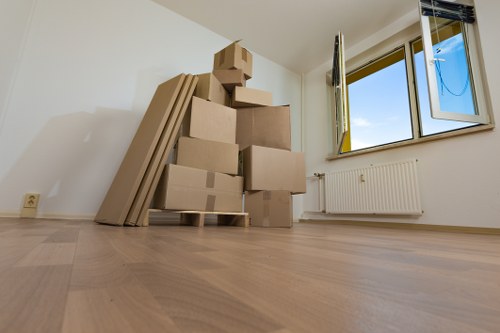
Commercial moves are rarely just about transporting items from one address to another. A strong service can support the whole process, from initial planning through to unloading and reassembly. Depending on your business type and the size of the relocation, the service may include office furniture moving, workstation dismantling, packing support, archive handling, internal office moves, and careful transport of fragile or high-value items.
Many Southwark customers also need help with business equipment. That can include screens, desktop computers, printers, filing cabinets, shelving, reception furniture, conference tables, stock, and display units. Some workplaces have specialist requirements too, such as medical rooms, educational settings, charity offices, design studios, or hospitality storage areas. A tailored approach ensures the move suits the contents, the building, and the working patterns of the organisation.
Other common services connected to commercial moves in Southwark may involve packing materials, labelling systems, furniture reconfiguration, and planned move sequencing so the most important departments are back up and running first. If your team needs to stay organised throughout the relocation, ask for a move plan that breaks the project into manageable steps and sets clear responsibilities.
Typical service elements may include:
- Pre-move planning and site assessment
- Disassembly and reassembly of desks and office furniture
- Packing of files, supplies, and equipment
- Safe handling of IT and electronic items
- Loading, transport, and unloading
- Placement of items in the new premises
- Support for internal relocations and phased moves
Why local knowledge matters in Southwark

Local knowledge is especially valuable in Southwark because the borough combines dense commercial districts with residential roads, transport hubs, and historic streets. Routes around London Bridge and Borough can be busy throughout the day, while areas closer to Elephant and Castle, Camberwell, and Peckham can bring their own access and timing challenges. Deliveries may need to be timed carefully, and loading arrangements can be affected by nearby traffic, pavement space, and restrictions around the building.
Different parts of Southwark also have different property styles. You may be moving out of a modern office suite with managed access and booking systems, or relocating from a character building where stairs are tight and lifts are limited. Some properties are inside shared commercial blocks with multiple tenants, while others sit above shops or within mixed-use developments. A local team knows to ask the right questions about access, parking, lift availability, floor protection, and building rules before moving day.
That local understanding helps protect both the property and your business time. It can reduce delays, prevent damage, and make it easier to plan realistic arrival and loading times. For business owners and office managers, this means fewer interruptions and a more organised relocation. If you are comparing services, look for a mover that understands Southwark’s layout and can adapt the move to the location rather than forcing a one-size-fits-all approach.
Who commercial moves are for

Commercial moving services in Southwark support a wide range of customers. Some are small businesses moving from one local unit to another. Others are larger organisations relocating departments, expanding into new premises, or consolidating multiple sites. The service is also useful for landlords, property managers, and tenants who need items cleared, moved internally, or shifted as part of a refurbishment or office reconfiguration.
Common customer types include professional services firms, creative agencies, retailers, cafés, restaurants, charities, educational organisations, healthcare-related businesses, and shared office providers. Many of these customers have different operational pressures. A restaurant may need equipment moved outside service hours. A law firm may need confidential files handled carefully. A retail store may need stock moved quickly so trading can resume. A charity may need an economical, organised relocation with minimal disruption to volunteers and service users.
Whether your move is large or small, full or partial, the right removals team will help you keep the project under control. The best results come from planning around your business needs rather than treating every relocation the same. If you need a service built around your schedule, your site, and your contents, commercial removals can be adapted to fit.
Examples of commercial relocations in the borough
Southwark businesses often ask for help with:
- Office moves between nearby buildings
- Shop and showroom relocations
- Warehouse or stockroom transfers
- Internal department moves within the same premises
- Furniture removal during refurbishment
- Archive and file transport
How the moving process usually works

A structured moving process can make a big difference to the success of your relocation. Most commercial moving projects begin with an enquiry and an assessment of the size, complexity, and timing of the job. This may be done through a site visit, a floor plan, photographs, or a conversation about your business requirements. The aim is to understand what needs to move, how far it needs to travel, and what access limitations are in place at both properties.
Next comes planning. This can involve setting a moving date, mapping out the order of rooms or departments, identifying fragile or specialist items, and deciding whether packing support or dismantling is required. For larger Southwark offices, move planning may also include coordinating with building managers, arranging lift times, and working out where the vehicle can stop safely. Careful planning is especially useful where there are multiple floors, shared entrances, or heavy furniture pieces.
On move day, the team will typically arrive with the right equipment to handle the load efficiently and safely. Items are packed or loaded in a logical order, labelled where needed, and then transported to the new location. Once there, furniture and equipment are unloaded and positioned according to your plan. Some customers want items placed exactly into each room or zone so the team can resume work as quickly as possible. Others need the move split into stages across more than one day.
A typical workflow may include:
- Initial enquiry and project discussion
- Survey or information gathering
- Move plan and timing agreement
- Packing and preparation
- Loading and transport
- Unloading, placement, and reassembly
- Final walkthrough and completion checks
What affects the cost of commercial removals
Pricing for business moves is usually based on the practical details of the job rather than a simple flat rate. This makes sense because no two Southwark relocations are identical. A small office moving a few desks will take less time and resources than a larger workplace relocating several departments, archive rooms, or a mixed stock-and-office setup. The more detail you can provide at the start, the more accurate the estimate is likely to be.
Common pricing factors include the size of the premises, the volume of items, the distance between locations, the number of floors, and the amount of access support needed. If the building has no lift, limited parking, or restricted loading times, the move may require extra planning. Heavy or awkward items can also increase the level of labour needed. The same is true if you need packing materials, dismantling and reassembly, or out-of-hours scheduling.
Businesses in Southwark may also need to think about time sensitivity. If a move has to happen very quickly, or outside standard hours, that can affect the structure of the job. While you should always request a quote tailored to your own premises, it helps to understand that commercial moving costs are influenced by the complexity of the relocation, the level of support required, and how the move is timed.
Factors that are commonly considered
- Amount of furniture, files, stock, and equipment
- Access at both properties
- Lift availability and floor level
- Distance between old and new premises
- Packing and dismantling requirements
- Timing, including evening or weekend work
- Need for staged or phased relocation
Preparing your business for the move
Good preparation helps the move go more smoothly and keeps your team focused. A commercial relocation is easier when departments know what to pack, what to label, and when to stop using certain items. In Southwark, where moves often need to be carried out efficiently because of traffic, access windows, or shared building arrangements, organisation matters even more. The clearer your plan, the easier it is for everyone involved.
Start by identifying what is moving, what is being disposed of, what should stay behind, and what needs to be relocated first. This is a good time to review old stock, archived paperwork, broken furniture, or unused equipment. Reducing unnecessary items before move day can save time and make the new space more manageable. It also helps if one person is assigned as the main point of contact for the move so decisions can be made quickly if something changes.
Labelling is one of the simplest and most useful steps. Boxes, monitors, cables, drawers, and furniture parts should be clearly marked so they can be placed in the right area after unloading. If the new premises have a different layout, create a basic room or zone plan. Even a simple list of departments, desk numbers, or priority areas can help the movers place items correctly and minimise confusion when staff arrive.
Preparation checklist
- Confirm your moving date and access arrangements
- Tell staff what they need to pack and when
- Label boxes, files, and equipment clearly
- Back up and secure important data before IT items are moved
- Check whether furniture needs dismantling
- Set aside items that will not be moved
- Arrange parking or loading permissions where needed
Tip: If your move includes a mix of office, storage, and customer-facing areas, pack each zone separately to make setup at the new site easier.
Access, parking, and building restrictions in Southwark
One of the biggest challenges in commercial moves in Southwark is access. The borough has many busy streets, controlled parking areas, loading restrictions, and buildings with specific access procedures. Some premises have designated loading bays, while others require advance permission for parking or entry. If your move is near a transport interchange, on a narrow road, or close to a high-footfall commercial area, the unloading strategy needs to be thought through carefully.
Parking availability can affect how long the team needs on site and whether items can be loaded and unloaded efficiently. In some cases, the vehicle may need to be parked a little distance away and goods transported by hand using trolleys or lifting equipment. Shared buildings may also have rules about service lift use, noise, floor protection, and booking time slots. The more information you can give in advance, the easier it is to build a realistic move plan.
Southwark’s mix of older commercial properties and modern developments means the team may also need to deal with stairs, narrow corridors, secure entry points, or multiple access codes. A practical removals company will ask about these details early so that the right crew size and equipment can be arranged. This reduces the chance of delays and helps protect your property, neighbouring units, and the items being moved.
Useful access details to share early
- Whether there is a lift or only stairs
- Loading bay or parking availability
- Any time restrictions for vehicle access
- Security entry requirements or key collection arrangements
- Floor level and distance from vehicle to entrance
- Whether furniture needs to pass through tight corridors or doorways
Why choose a local company for Southwark business removals
A local company can bring practical benefits that are especially useful for business customers. Because they are familiar with Southwark and nearby areas like Bermondsey, Waterloo, Rotherhithe, Kennington, and Camberwell, they are better placed to anticipate common route and access issues. That can make the relocation feel more organised from the outset and reduce the risk of last-minute complications.
Local teams are also often more responsive when plans change. Commercial moves sometimes need to be adjusted if a building manager changes a lift booking, if staff availability changes, or if the client needs to split the move over more than one phase. A local removals service can usually adapt more easily, especially when the move is within the same borough or between nearby locations. That is useful for businesses that want a practical, flexible service rather than a rigid package.
There is also value in working with a company that understands the pace of business life in Southwark. The borough includes busy commercial corridors, creative neighbourhoods, mixed-use developments, and public-facing premises where downtime needs to be kept low. A local removals team can plan around that environment and help you make decisions that support continuity, whether you are relocating a single office, opening a new branch, or reorganising your current workspace.
Benefits of choosing local movers
- Better understanding of routes, restrictions, and access points
- More realistic scheduling for busy urban streets
- Practical knowledge of mixed commercial and residential areas
- Flexible planning for phased or out-of-hours moves
- Support that is suited to Southwark property types
What to expect on moving day
On the day of the move, organisation and communication are key. Before the crew arrives, it helps if staff know which areas are ready to go, which items should be left alone, and whether any sensitive files or devices need to be separated. A well-managed commercial move begins with a quick check of the premises, access points, and the items to be moved first. From there, the team can work through the relocation in a steady and practical order.
For many Southwark businesses, the aim is to keep the process as unobtrusive as possible. That might mean moving important departments first so they can resume work quickly, or relocating only certain floors while others stay operational. Some clients want a full move completed over one day, while others prefer to phase the relocation over multiple visits. The best approach depends on your building, your workload, and your tolerance for downtime.
Once the items are in the new premises, placement matters. It is much easier to get set up if desks, chairs, cabinets, and equipment are positioned in the right rooms the first time. If the move includes reassembly, the team should rebuild furniture as agreed and place items so the space is ready for staff to continue work. A final check helps make sure nothing has been missed and that all agreed tasks are complete.
Services for different business premises
Southwark’s commercial landscape includes everything from independent shops to corporate offices and shared coworking spaces. Because of that, moving services often need to be adjusted to suit the premises. A retail relocation may focus on stock, fixtures, display systems, and fast turnaround. An office move may involve furniture, archives, IT equipment, and workstation setup. A hospitality business may need kitchen-adjacent items, dining furniture, storage, and equipment moved with care.
Some premises also need sensitivity around existing operations. For example, a business on a multi-tenant floor may need to avoid noisy activity during certain hours. A school or training provider may need items moved between term dates or outside lesson times. A practice or clinic may need to keep confidential materials secure during the move. In each case, the service should be planned to respect the function of the building and the needs of the people using it.
If your business operates from more than one Southwark location, you may also want help with internal moves, equipment redistribution, or transfers between branches. This is common for growing organisations that are making better use of their existing space rather than moving out completely. A local moving service can support those practical changes without creating unnecessary disruption.
Suitable for many sectors, including:
- Offices and professional firms
- Retail stores and showrooms
- Hospitality and food businesses
- Creative and media workplaces
- Charities and community organisations
- Education and training settings
How to make your move less disruptive
Reducing disruption is often the biggest priority for business customers. Time away from normal work can affect customer service, internal deadlines, and staff productivity. That is why many businesses plan commercial relocations during quieter periods, such as evenings, weekends, or holiday windows. If that is not possible, splitting the move into phases may be a better option.
Communication also plays a big part. Staff should know when they need to pack, where to place labelled items, and what the first day in the new premises will look like. If you are moving customer-facing areas, it can help to prepare temporary arrangements so the business remains approachable during the transition. For larger organisations, a move coordinator can keep departments aligned and help resolve issues quickly if anything changes.
Another useful step is to create a priority list. Decide which items must be up and running first, such as computers, phones, workstations, tills, or specialist equipment. Anything less urgent can follow later. This approach works particularly well in Southwark, where access and timing windows can be tighter than in suburban locations. The more you prioritise, the more efficiently the move can be completed.
FAQs about commercial moves in Southwark
Below are answers to some of the most common questions business customers ask when arranging a move. If you are still unsure about any part of the process, it is sensible to ask before the moving date so the right arrangements can be made.
How far in advance should I book a commercial move?
It is usually best to book as early as you can, especially if you need a specific date, an out-of-hours slot, or a move during a busy period. Larger or more complex relocations often benefit from extra planning time.
Can the move be done outside business hours?
Yes, many commercial customers prefer evening or weekend work to reduce disruption. This can be especially useful for offices, shops, hospitality venues, and customer-facing businesses in Southwark.
Do you move IT equipment and office electronics?
Many commercial removals services can handle IT equipment carefully, but it is important to let the team know exactly what needs moving. You should also make sure data is backed up and that any sensitive devices are prepared according to your internal procedures.
What if my building has limited access or no lift?
That is very common in Southwark. A good move plan should take stairs, tight corridors, loading restrictions, and lift bookings into account so the right equipment and team size can be arranged.
Can you help with internal office moves?
Yes, internal moves are often useful during refurbishments, reorganisations, or departmental changes. They can be scheduled to keep your operations running while space is rearranged.
What should I prepare before the movers arrive?
Label boxes, separate items that are staying behind, protect confidential materials, and make sure access arrangements are confirmed. A preparation checklist can save time and reduce stress on the day.
If you have a more specific requirement, such as phased relocation, storage coordination, or a mixed office-and-stock move, it is worth discussing the details early. Request a free quote and outline your premises, timeframe, and building access so the service can be matched to your needs.
Areas covered across Southwark and nearby districts
Commercial moving services can support businesses across the whole borough and surrounding districts. Because Southwark includes a broad mix of commercial and residential streets, it is useful to work with a team that can travel between business centres and local neighbourhoods efficiently. This helps whether you are moving within the borough or relocating to or from nearby parts of central and south London.
Typical areas covered may include London Bridge, Borough, Bankside, Bermondsey, Rotherhithe, Surrey Quays, Waterloo, Elephant and Castle, Walworth, Camberwell, Peckham, Dulwich, and nearby commercial districts. Each area has different streets, property layouts, and access patterns, so local familiarity can support better planning and smoother execution.
If your premises sit close to a station, a busy retail stretch, or a mixed-use development with residents above and businesses below, the move may need extra coordination. That is normal in Southwark and should be part of the planning from the beginning. A local service provider can adapt the logistics to the realities of the area rather than assuming the same setup works everywhere.
Choosing the right service for your business
Not every move needs the same level of support. Some businesses only need loading, transport, and unloading. Others want a complete relocation service that includes packing, dismantling, setup, and coordination with building management. The right choice depends on the size of your company, the items being moved, the time available, and how much disruption you can tolerate.
When comparing commercial moving options in Southwark, focus on practical suitability. Ask whether the service can work around your access restrictions, whether it can handle your equipment safely, and whether it can support a schedule that suits your operation. A good service should feel organised, responsive, and realistic about the conditions involved. That is especially important in a borough where access, traffic, and property types can vary so much from one street to the next.
If you are planning a move in the coming weeks or months, now is a good time to start gathering details. The more information you have about your current premises, your new location, the items to be moved, and the timing you need, the easier it is to receive an accurate plan. For a move that is efficient and less stressful, book your service now or contact us today to discuss the next steps.
Useful information to have ready when you enquire
- Current and new property type
- Number of floors and lift access
- Approximate volume of furniture and boxes
- Need for packing or dismantling
- Preferred move date and time window
- Any access restrictions or parking limitations
Final thoughts on commercial moves in Southwark
Relocating a business is always a significant project, but it becomes much easier when the move is planned around the realities of the local area. Southwark businesses deal with a wide range of building styles, transport pressures, loading restrictions, and operating needs, which is why a tailored removals service is so valuable. Whether you are moving a small office, a retail unit, or a larger commercial space, the right team can help you stay organised and reduce unnecessary downtime.
From initial planning and access checks to careful loading, transport, and placement at the new premises, every stage matters. Commercial relocations are more successful when they are handled by people who understand both the practical side of removals and the local details that affect the day. That combination makes a real difference for businesses that need to move efficiently and get back to work without avoidable delays.
If you are ready to plan commercial moves in Southwark, speak to a local team that understands the borough and can adapt to your business needs. Request a free quote, share your move requirements, and take the first step toward a smoother relocation.